Cultural vibrance and people power
I was lucky enough to visit Folkemødet in 2025 with a group of Scots who shared an interest in the Danish approach to politics, and wanted to bring something similar back to Scotland.
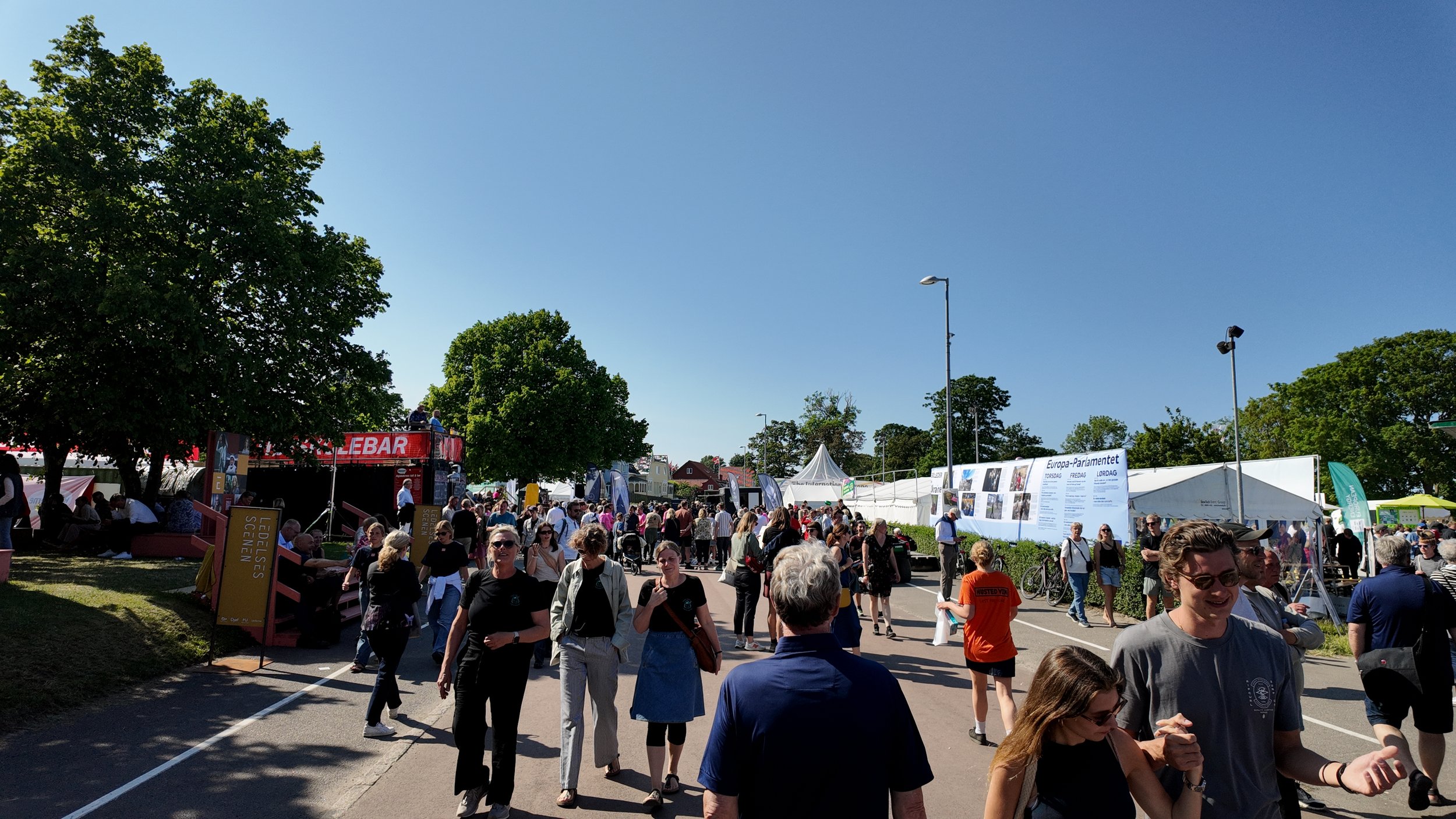
As we entered Allinge and walked towards the festival grounds, there were crowds of people socialising and laughing as they navigated stalls, workshops and events scattered throughout the streets. Visitors seemed energetic and excited to be there, but the festival had a relaxed and casual atmosphere which felt approachable for newcomers such as myself. As time passed I quickly noticed a lively social scene forming - restaurants and bars were filling up and live music began to ring out throughout the town.
The next day we were up early and I had a chance to get involved in the festival events. Folkemødet is home to over 3000 unique political events – ranging from stalls and workshops to high profile debates. Many of the events I attended were collaborative and involved discussions with a panel of guest speakers, representatives and senior government ministers. This allowed for genuine and relaxed conversations between people and their representatives, and I found this inspiring – the gap between people’s lives and politics was gone, and I could see democracy functioning right in front of me.
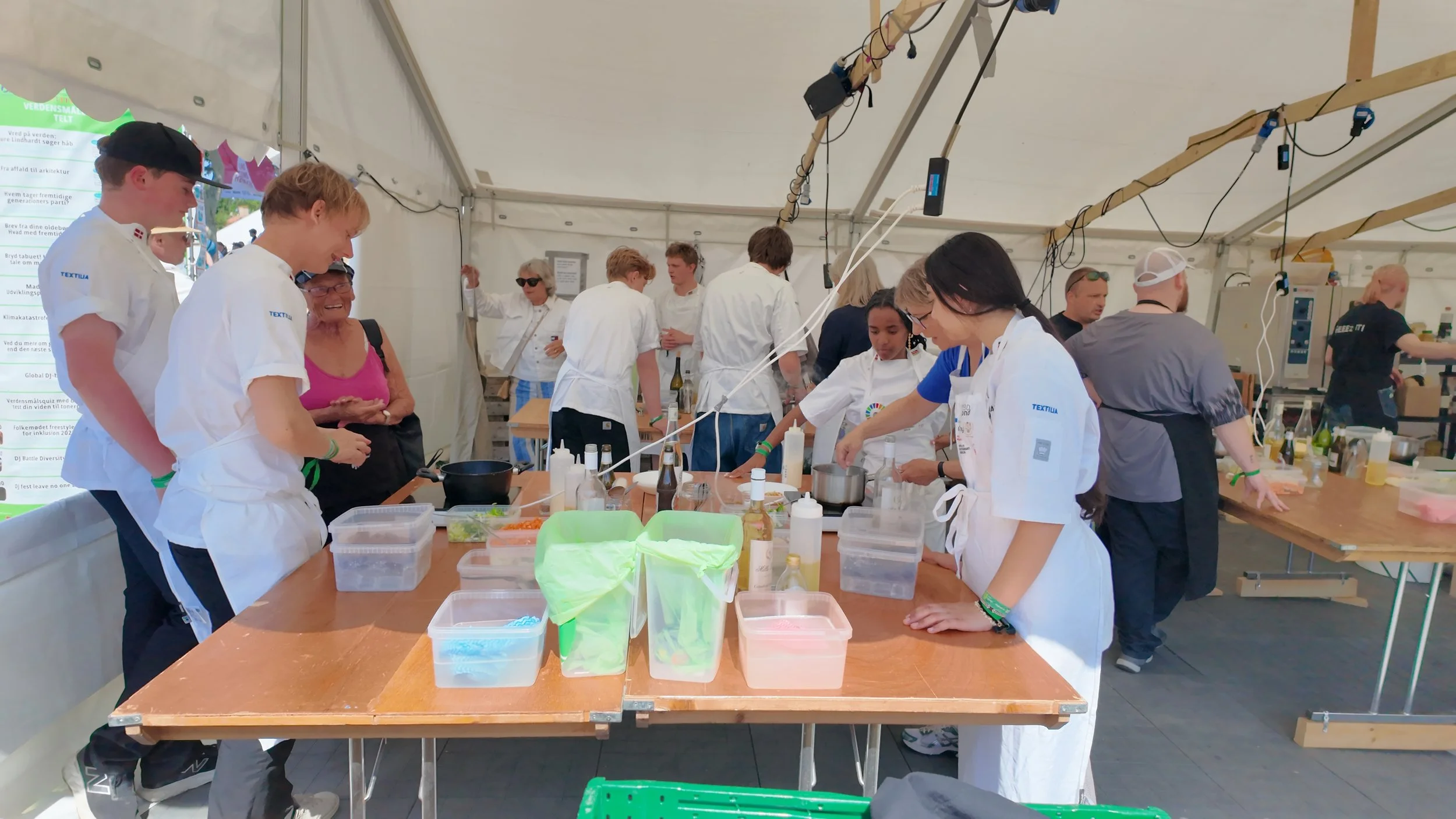
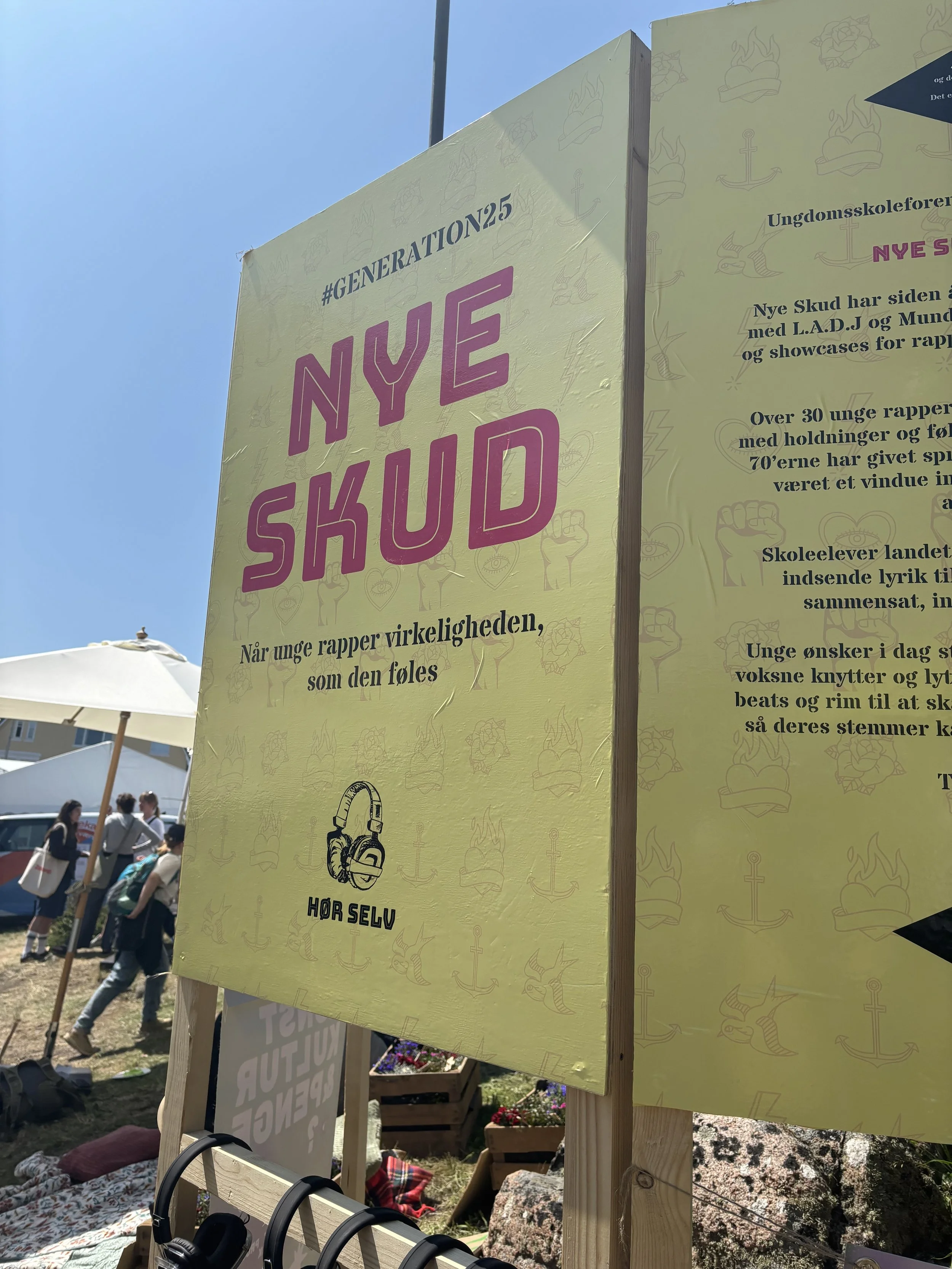
As well as hosting political discussion, Folkemødet is home to an array of cultural events, many of which are youth led and highly interactive. I remember seeing a cooking workshop run for culinary students, and hearing music produced by a young Danish rap group raising awareness of social injustice. As a young person I enjoyed experiencing these events and speaking to their organisers – they create a refreshing and engaging platform which allows young people to be heard.
My experience of Folkemødet instilled me with optimism. The festival creates a fun and inclusive space which allows people to learn from each other and celebrate democracy. I am one of many who sees this as a bright possibility for Scottish politics.